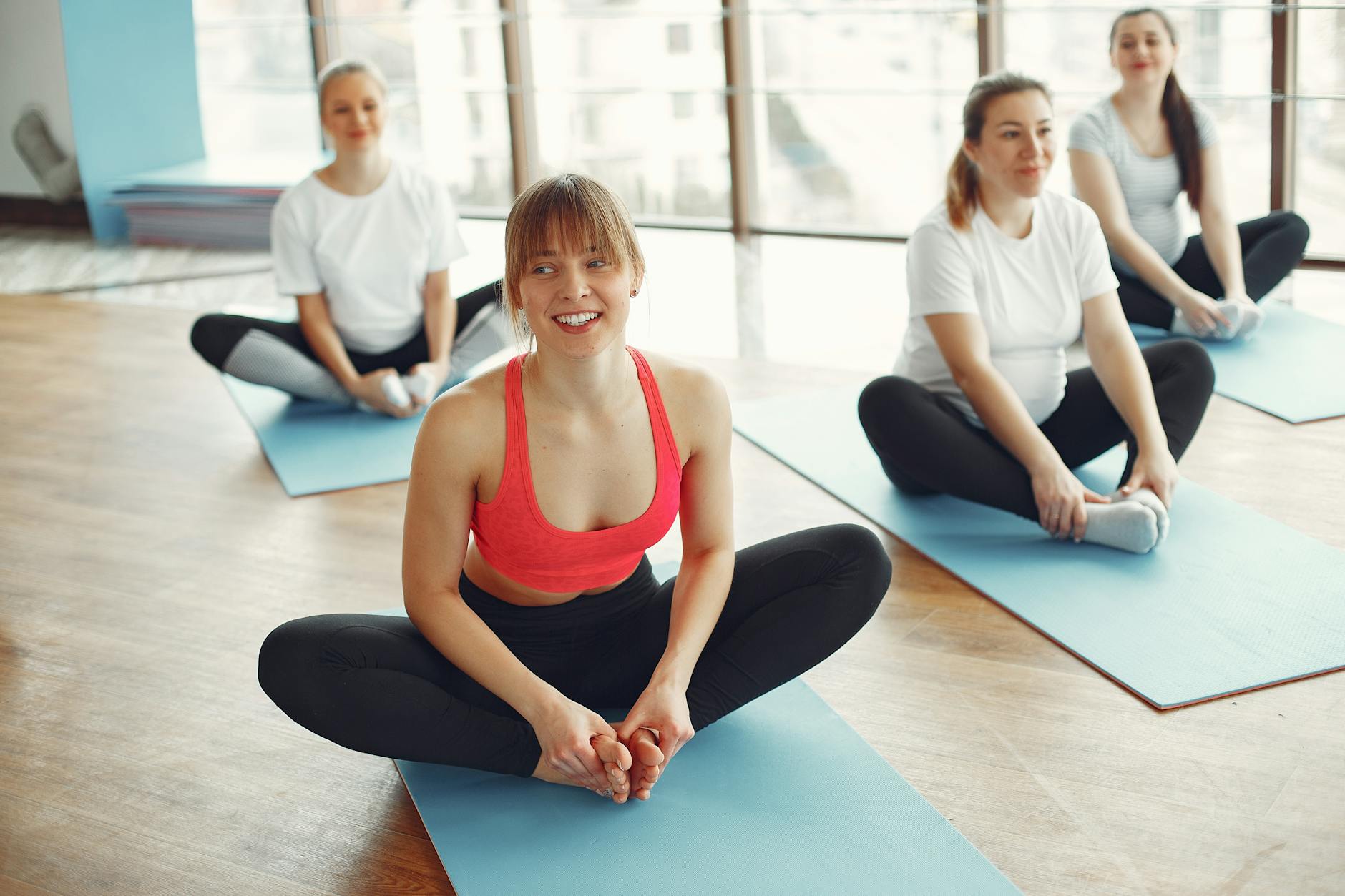
Quick Answer: Learning how to workout beginner means starting with low-impact movements like bodyweight squats, push-ups against walls, planks, and lunges performed 3 times weekly for 20-30 minutes. Beginners need proper form over speed, consistent scheduling, and gradual progression—adding reps or difficulty every 2-3 weeks—without equipment or gym membership required.
What Is Best Exercises for Beginners at Home (No Equipment)? A Complete Explanation
Understanding how to workout beginner starts with recognizing that exercise is fundamentally about moving your body against resistance—whether that resistance comes from gravity, your own bodyweight, or external weights. For beginners, bodyweight training at home represents the most accessible entry point into fitness because it requires zero investment, eliminates intimidation factors associated with gyms, and allows learners to build foundational strength and movement patterns at their own pace. Think of it like learning to write: you don't start with calligraphy or typography; you start with basic letters and proper hand positioning.
What is basic exercises, exactly? These are movement patterns that engage large muscle groups—legs, chest, back, core—and exist in nearly every human's natural movement vocabulary. Squats replicate the motion of sitting and standing. Push-ups simulate pushing objects away from your body. Lunges mirror walking and climbing. Planks require core stability needed for everyday activities. These what is beginner workout foundations train functional strength—the ability to perform real-world tasks like carrying groceries, climbing stairs, or playing with children—rather than isolated muscle aesthetics that require advanced training.
Home-based bodyweight training eliminates common barriers that prevent beginners from starting: expensive gym memberships, commute time, self-consciousness about exercising around experienced lifters, and equipment costs. A person can achieve measurable strength gains, improved cardiovascular fitness, and body composition changes using nothing but floor space and bodyweight resistance. This accessibility explains why beginner exercises at home have become the dominant entry point for fitness in 2026.
How It Works — Step by Step
A complete beginner workout follows a simple physiological principle: muscles adapt to progressively challenging stimulus. When you perform an exercise, you create microscopic tears in muscle fibers. During rest periods (typically 48 hours between sessions), your body repairs these fibers and rebuilds them slightly larger and stronger. This process, called progressive overload, requires three elements: consistent stimulus, adequate recovery, and gradual progression.
Here's the step-by-step mechanism for how to workout beginner effectively:
- Establish baseline fitness level: Perform each exercise once to determine how many repetitions you can complete with proper form. For a wall push-up, this might be 5-8 reps. For a bodyweight squat, perhaps 12-15 reps. This baseline becomes your starting point.
- Schedule three non-consecutive sessions weekly: Monday, Wednesday, Friday spacing allows 48 hours recovery between workouts. Each session lasts 20-30 minutes including warm-up and cool-down.
- Perform 3-4 exercises per session: Select one lower-body movement (squats or lunges), one upper-body push (wall push-ups or incline push-ups), one upper-body pull simulation (reverse snow angels or wall-assisted rows using furniture), and one core exercise (plank or dead bug).
- Complete 2-3 sets of 8-12 repetitions: Beginners perform moderate reps rather than maximum efforts. This range builds both strength and muscular endurance while teaching proper movement patterns.
- Implement progression every 2-3 weeks: Once an exercise becomes easy, increase either repetitions (add 2-3 reps per set) or difficulty (transition wall push-ups to incline push-ups using a sturdy chair, then to standard push-ups).
- Rest 60-90 seconds between sets: Adequate rest ensures you can maintain proper form throughout the session and maximize each set's effectiveness.
This structure works because it respects recovery physiology while maintaining stimulus progression. A person following this exact system for 8-12 weeks typically experiences noticeable strength gains, improved exercise capacity, and measurable body composition changes. Many beginners using free beginner exercise videos free online or structured beginner exercise app free options follow this identical framework.
Why It Matters in 2026
The landscape for fitness beginners has transformed dramatically since 2020. Post-pandemic, gym membership penetration plateaued while home workout adoption remained elevated. Concurrently, AI-powered beginner exercise app free platforms improved significantly—motion-tracking technology now detects form errors in real-time, personal trainer accessibility increased through affordable subscription services, and curated beginner exercise videos free online became indistinguishable in quality from paid premium content.
Economic pressures in 2026 make gym-free fitness increasingly relevant. With gym membership costs averaging $50-150 monthly in developed markets, eliminating this expense appeals to cost-conscious demographics. Simultaneously, remote work normalization means more people have home space and schedule flexibility to accommodate beginner exercises at home during lunch breaks or early mornings without commute logistics.
Additionally, emerging research on neuromotor aging shows that adults who maintain consistent movement practice from 30-40 onward experience significantly slower decline in strength, balance, and functional capacity during their 60s and 70s. This creates urgency for beginners in their 30s and 40s to establish consistent training habits now rather than starting reactive rehabilitation later. Health systems and wellness programs increasingly recommend home-based beginner workout programs as preventive medicine.
The Key Facts Everyone Should Know
- The American College of Sports Medicine 2024-2026 guidelines recommend 150 minutes weekly of moderate-intensity activity for adults, achievable through three 30-minute home sessions of what is beginner workout intensity training.
- Resistance training twice weekly for 8-12 weeks produces 1.5-2 kg of lean muscle gain in untrained beginners, measurable through DEXA scans and body composition analysis conducted by exercise science researchers at major universities.
- Form-tracking AI in beginner exercise app free options like Fitbod and Form (launched 2022-2023) achieves 87-94% accuracy in detecting movement compensation patterns compared to certified trainers, according to validation studies published in peer-reviewed exercise science journals.
- YouTube's fitness category generated 847 billion views in 2024, with beginner-focused channels (FitnessBlender, Chloe Ting, Nike Training Club) collectively accumulating over 180 million subscribers offering free beginner exercises at home content.
- Bodyweight training produces comparable strength gains to resistance training for untrained individuals during the first 8-12 weeks, per meta-analysis of 47 randomized controlled trials published in the Journal of Strength and Conditioning Research (2023).
- Wall pilates exercises free, a TikTok-popularized beginner workout format, engaged 4.2 billion video views in 2024-2025, though strength scientists note that traditional pilates provides superior core activation when performed with proper tension and control.
- The average person who maintains a beginner workout routine for 12 weeks demonstrates 15-25% improvement in functional capacity metrics: stair climbing speed, standing up from chairs without arm assistance, and sustained walking endurance.
- Subscription-based beginner exercise app free trial periods (typically 14-30 days offered by Peloton, Apple Fitness+, and Beachbody On Demand) represent 62% of new fitness app users' entry points, with 34% converting to paid subscriptions after trial expiration.
Common Mistakes and Misconceptions
Misconception 1: "I need to do longer workouts to see results." The truth: Beginners progress fastest with consistency, not duration. Thirty minutes three times weekly outperforms 90 minutes once weekly because the nervous system and muscles require frequent stimulus to adapt. Long, infrequent sessions often lead to soreness and dropout; shorter, consistent sessions build sustainable habits and reliable progress.
Misconception 2: "No pain means no gain—I should be exhausted after every workout." The truth: Beginners who feel completely exhausted after workouts typically either performed excessive volume or compromised form through fatigue. Proper beginner workouts should feel moderately challenging but not devastating. You should feel capable of performing one additional set with good form. Exhaustion often precedes injury and burnout in untrained individuals.
Misconception 3: "I should do cardio first, then strength training." The truth: How to workout beginner optimally means prioritizing compound strength movements when your nervous system is fresh. Begin sessions with your most important resistance exercise (squats or push-ups), then address secondary movements and any cardio component. Exhausting yourself with cardio first impairs strength training quality and progression.
Misconception 4