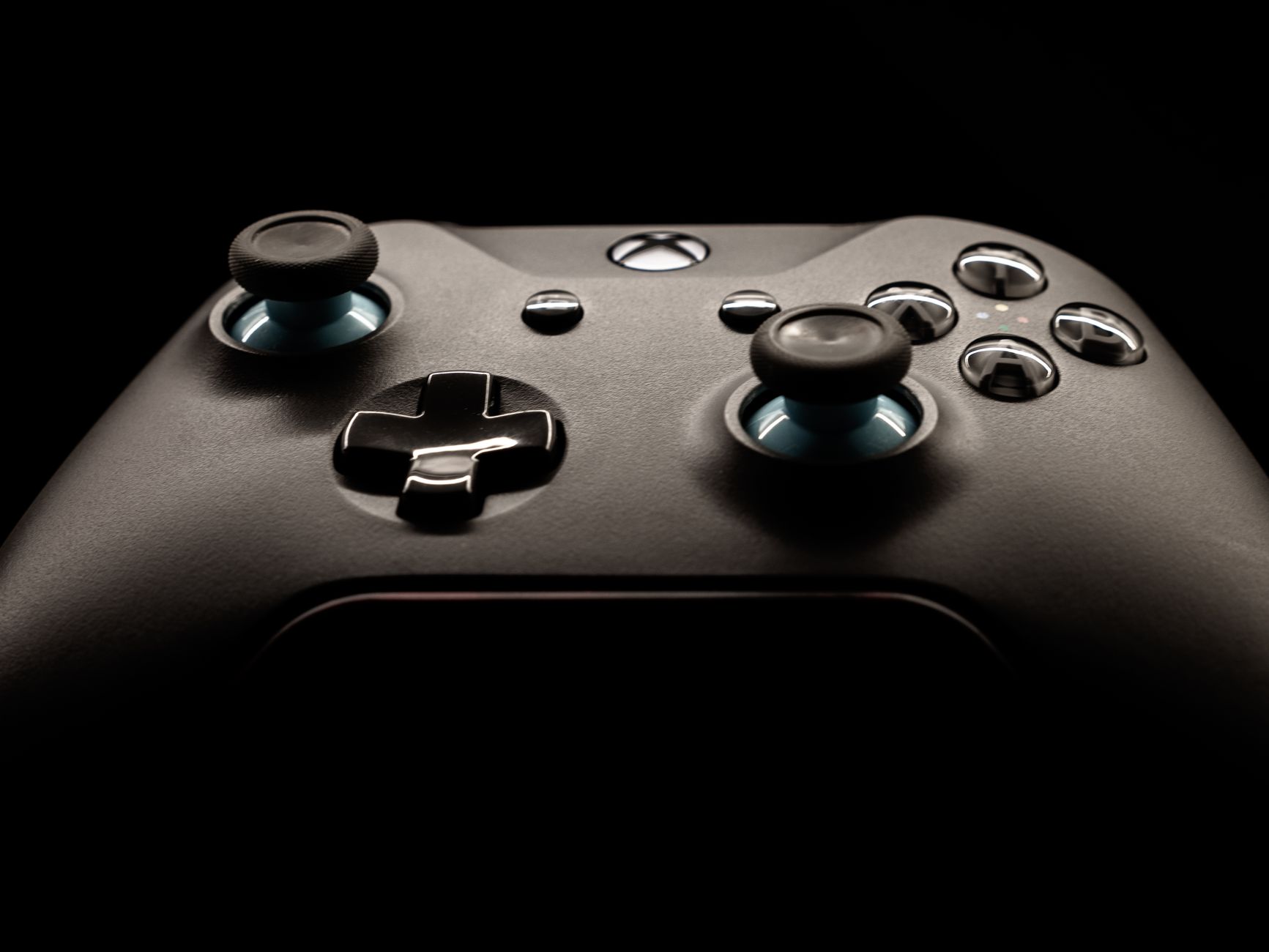
What Is Xbox Exploring with Radically Different Console Business Models?
Xbox exploring radically different console business models represents Microsoft's strategic pivot away from the traditional hardware-centric approach that has defined the gaming industry since the 1980s. Historically, console makers like Sony, Microsoft, and Nintendo manufactured discrete hardware units—self-contained boxes sold at a specific price point—released on predictable 7-10 year cycles. Games were tied to these platforms, creating an ecosystem where consumers committed to a particular ecosystem by purchasing the hardware upfront.
The traditional model worked like this: a company launches a console (PlayStation 5, Xbox Series X) at $399-499, takes a loss on hardware initially to build market share, then profits through software licensing fees (typically 30% of game sales), subscription services (like PlayStation Plus), and digital storefronts. Microsoft had operated within this framework since the original Xbox launched in 2001. Project Helix, the internal codename for Xbox's next-generation console planned for the late 2020s, was initially conceived within these traditional parameters. However, Xbox exploring radically different console business models now means the company is actively evaluating alternatives: tiered hardware ecosystems where consumers choose between multiple entry-level and premium devices; increased reliance on streaming and cloud gaming to reduce hardware requirements; potential subscription-first models where console hardware becomes nearly free or heavily subsidized; and possible partnerships with third-party manufacturers to distribute Xbox-branded devices rather than manufacturing everything in-house.
Why the Gaming World Is Reacting
Xbox CEO Asha Sharma and Xbox strategy chief Matthew Ball publicly disclosed this strategic reconsideration in December 2025 amid what industry analysts termed the "RAMageddon crisis"—a severe shortage of memory chips and other semiconductor components that cascaded through consumer electronics manufacturing in 2025-2026. This crisis forced console makers to confront uncomfortable realities: expensive custom hardware is increasingly difficult to manufacture at scale, supply chain vulnerabilities can cripple product launches, and consumer appetite for $500 boxes may not justify the risk. For Microsoft specifically, the RAMageddon crisis arrived as the company was already grappling with Xbox Game Pass subscriber growth plateauing and competition intensifying from PlayStation 5 sales, PC gaming, and mobile gaming ecosystems.
The significance of Xbox exploring radically different console business models extends beyond Microsoft's own business. If the world's largest technology company abandons the traditional console hardware model, it signals an industry inflection point. For decades, the console market provided predictable revenue and defined gaming generations—the "PS1 era," the "Xbox 360 generation," etc. A Microsoft pivot toward non-traditional models could accelerate similar moves from competitors. Furthermore, the announcement directly addresses consumer frustration: $500 console prices, backward compatibility issues between generations, and limited hardware choices have created persistent tension between manufacturers and players. Xbox exploring alternatives creates space for fundamentally different value propositions.
Gameplay and Features Explained
Rather than "gameplay," understanding Xbox exploring radically different console business models requires grasping the structural alternatives Microsoft is evaluating. One credible direction is tiered hardware, where Xbox devices exist at multiple price points serving different consumer segments. Instead of a single $499 "Xbox Series X replacement," Microsoft might release a $199 entry-level device (cloud-focused, lower processing power) and a $599 premium console (local processing, 4K gaming). This mirrors the iPhone model—multiple tiers, same ecosystem, different capabilities. Players purchasing the entry device would rely more heavily on Xbox Cloud Gaming (Microsoft's streaming service that transmits processed gameplay video to devices) while players with premium hardware would run games locally on their console's GPU and CPU.
A second direction centers on subscription-first positioning, where game access through Xbox Game Pass becomes the primary product and hardware becomes secondary. Microsoft could subsidize console hardware dramatically—potentially offering devices at $99 or free with Game Pass Ultimate subscriptions—to drive subscription adoption, then monetize through recurring monthly fees ($15.99 for Game Pass Ultimate) and in-game spending. This inverts the traditional model where hardware sales funded software distribution. A third possibility involves partnering with manufacturers like Asus, Lenovo, or Samsung to produce Xbox-compatible devices rather than Microsoft manufacturing all hardware itself. This reduces capital expenditure and supply chain risk; companies like Valve have successfully used this approach with SteamDeck ports and partnerships. Finally, Xbox exploring radically different console business models includes deeper cloud integration, where consumers maintain their game library and save progress in Microsoft's cloud servers, enabling seamless switching between devices—playing on a TV console one day, then on a tablet or handheld device the next.
Community Reaction and Reviews
Gaming community response has split into three camps. Enthusiast gamers—those who prioritize raw performance and cutting-edge graphics—express concern that Xbox exploring radically different console business models could dilute the premium experience. The fear centers on fragmentation: if multiple Xbox tiers coexist with different processing power, will developers optimize for the lowest common denominator? PC gaming communities have grappled with this for decades; optimization suffers when developers target vastly different hardware specifications. Skeptics note that PlayStation's advantage has partly derived from unified hardware across a generation, allowing developers to fully exploit specific components.
A second cohort—budget-conscious players and Xbox Game Pass subscribers—views the shift optimistically. If tiered hardware and subscription-first models reduce entry cost from $500 to $199 or lower, the addressable market expands dramatically. Parents purchasing devices for teenagers, students with limited budgets, and casual players could more easily access Xbox ecosystems. Industry analysts have noted that the $500 barrier has historically excluded millions of potential players in developing markets; lower entry costs could globally expand Microsoft's user base. Finally, Wall Street and industry observers view this strategically as prudent risk management. Supply chain vulnerabilities are real; the RAMageddon crisis demonstrated that. Diversifying revenue away from hardware sales toward subscriptions and distributed manufacturing reduces exposure to semiconductor shortages and manufacturing disruptions.
Xbox exploring radically different console business models isn't about abandoning gaming—it's about acknowledging that the hardware-first business model that worked from 2000-2020 may no longer match consumer behavior, manufacturing realities, or competitive dynamics in an era where cloud computing, subscriptions, and multidevice ecosystems define technology.
Competitive Scene and Esports
Professional esports implications remain uncertain but significant. Competitive gaming organizations depend on standardized hardware—all players in a tournament use identical equipment to ensure fairness. If Xbox exploring radically different console business models leads to fragmented hardware specifications, esports organizations face complications. Tournament organizers would need to specify which Xbox tier players use; alternatively, esports might shift further toward PC gaming (already the competitive standard for titles like Valorant and Counter-Strike) and away from console competition. However, Microsoft has indicated that Xbox Series X/S-level performance will remain available in premium tiers, potentially preserving competitive standards. Major esports franchises with Xbox partnerships—including Call of Duty League teams that traditionally compete on Xbox hardware—are monitoring these developments closely.
Technical Performance
Project Helix's actual specifications remain unconfirmed, but Xbox exploring radically different console business models carries clear technical implications. If Microsoft pursues cloud-first strategies more aggressively, console hardware could feature less onboard processing power. Entry-level devices might use mid-range processors comparable to mobile chips, relying on Xbox Cloud Gaming for graphically demanding titles. This fundamentally differs from current Xbox Series X (featuring AMD's custom Zen 2 CPU, 12 TFLOPS of GPU processing, 16GB RAM) which prioritizes local rendering. Cloud gaming introduces latency—the delay between player input and server response—measured in milliseconds. Current Xbox Cloud Gaming achieves approximately 35-45ms latency for most players with broadband connections, acceptable for slower-paced games but challenging for competitive shooters where milliseconds matter. Technical requirements for tiered Xbox hardware remain unspecified, but expect entry devices to feature 4-8GB RAM and mobile-class processors versus premium consoles retaining performance competitive with PlayStation 5 Pro.
What's Coming
Microsoft has committed to detailed Project Helix announcements in Q2-Q3 2026, with devices potentially launching in fall 2026 or 2027. Between now and then, Xbox will likely expand cloud gaming capabilities, potentially introducing new subscription tiers offering cloud-only access at lower prices. Game Pass will almost certainly evolve to integrate hardware subsidies more directly. Furthermore, expect partnerships with device manufacturers and telecommunications companies—potentially offering Xbox hardware bundles with internet service or mobile plans—as Microsoft tests distribution models beyond traditional retail.
Xbox exploring radically different console business models isn't speculation about distant futures; it's the concrete direction of a $200+ billion company fundamentally reimagining how gaming hardware and software integrate. The outcome will shape not just Microsoft's business but potentially how the entire gaming industry thinks about hardware, subscriptions, and access for the next decade.